Where to Buy Authentic Korean Makeup Brands in the UK

How to Find Your Undertone for Lipstick: A UK Colour Guide
Find your undertone for lipstick with the vein, jewellery and white-paper tests, then match warm, cool, neutral or olive skin to the right nude shade.
To find your undertone for lipstick, check your inner-wrist veins in natural daylight, see whether gold or silver jewellery flatters you, and hold plain white paper to your face. Blue veins, silver and a rosy cast mean cool; green veins, gold and a golden cast mean warm; a mix means neutral.
Undertone vs skin tone: what actually matters for lipstick
Your skin tone is how light or deep your complexion is, and it drifts through the year — paler in a grey British winter, warmer after a summer holiday. Your undertone is the quieter hue sitting beneath the surface, and, as the beauty team at Liberty puts it, it stays the same whatever your tan is doing. That is exactly why it is the thing to shade-match to: a lipstick chosen for your undertone becomes part of your face rather than sitting on top of it.
Most people land in one of three camps — warm, cool or neutral — with a fourth, olive, that deserves its own note. Warm undertones read golden, peachy or yellow; cool undertones read pink, rosy or slightly blue; neutral is a balance of the two. Olive skin carries a green-grey cast that can mask the warm or cool tone underneath, which is why it so often confuses the quick tests below.
How to find your undertone: four quick tests
No single test is a verdict. Run two or three, in bright but indirect daylight near a window, on bare, makeup-free skin, and look for agreement. When several methods point the same way, you can trust the result; when they disagree, that tension usually means neutral.
The vein test
Turn your inner wrist to the light and look at the veins. Bluish or purple veins lean cool, greenish veins lean warm, and a blue-green mix suggests neutral. It is the most popular starting point, but treat it as one data point rather than proof — vein colour is affected by lighting and skin thickness, and it is least reliable on deeper and olive complexions.
The jewellery test
Hold a piece of gold, then a piece of silver, against your skin in daylight. If gold makes your skin look brighter and more luminous, you are likely warm; if silver looks cleaner and fresher, you are likely cool. If both look equally good, that is a strong sign you are neutral. Many people find this the easiest “aha” moment because the difference is so visual.
The white-paper (or fabric) test
Hold a sheet of plain white paper — or drape white fabric — just under your bare face. Skin that looks yellow, golden or peachy against the white is warm; skin that reads pink, rosy or slightly blue is cool; no obvious shift points to neutral. Swapping the white for warm cream is the more decisive version: whichever makes your skin look healthiest wins. Colour professionals rate this fabric-draping method as the single most reliable DIY check.
The sunburn test
Think back to how your skin behaves in the sun. Skin that burns quickly and tans reluctantly tends to be cool-leaning; skin that tans easily and rarely burns tends to be warm. It is only a supporting cue — always use it alongside the others, and never skip sun protection to run it.
Undertone to lipstick: the shade-matching table
Here is the part the search results rarely lay out clearly — a single table that turns your undertone straight into shades to reach for and shades to approach with care. Everyday advice from L’Oréal Paris UK, No7 and Grazia broadly agrees on these families.
| Your undertone | How to spot it | Nude & everyday shades that flatter | Statement shades that flatter | Tends to clash |
|---|---|---|---|---|
| Cool | Blue/purple wrist veins; silver suits you; skin looks rosy next to white | Rose-nude, mauve, taupe, cool “pink-brown” | Blue-based cherry red, raspberry, berry, rose pink | Orange, golden-caramel and terracotta browns |
| Warm | Green wrist veins; gold suits you; skin looks golden next to white | Peach-nude, warm beige, caramel, golden brown | Brick red, tomato red, coral, warm terracotta | Icy blue-pinks and ashy mauves (can look grey) |
| Neutral | Blue-green veins; gold and silver both suit; little shift next to white | Almost any nude — beige, soft rose-brown, a true “your lips but better” | True red, dusty rose, most pinks and berries | Very little; only the extremes at either end |
| Olive | Green-grey cast; tests often read “neutral”; green shows on the neck | Muted rose-brown, warm-neutral caramel-rose, “90s brown” | Muted brick, soft berry, dialled-back terracotta | Very icy pastels and very vivid oranges both fight the green |
Pick the right depth, not just the right undertone
Undertone tells you the temperature; you still need the right depth. A classic mistake is choosing a nude so pale it drains the face — go one to two shades deeper than your natural lip so the colour looks like your lips, only better. That “your lips but better” idea has a name in beauty circles; our explainer on what MLBB means unpacks it. Neutral undertones have the widest run of the shelf and can borrow from both warm and cool families, so if your tests kept landing in the middle, count yourself lucky rather than confused.
Undertone notes for pale and olive UK skin
Fair, cool complexions can find the warm-versus-cool difference subtle, so lean on the jewellery and paper tests together and keep nudes rosy rather than orange; our guide to nude lipstick for pale skin in the UK has shade ideas. Olive skin is the trickiest, because that green cast muddies veins, metals and paper alike and often reads as “neutral” on every test. Draping warm caramel against cool mauve and watching which clears your complexion is more telling — and muted, earthy shades usually win. See nude lipstick for olive skin in the UK for specifics.
A budget nude set built to flatter warm and cool undertones
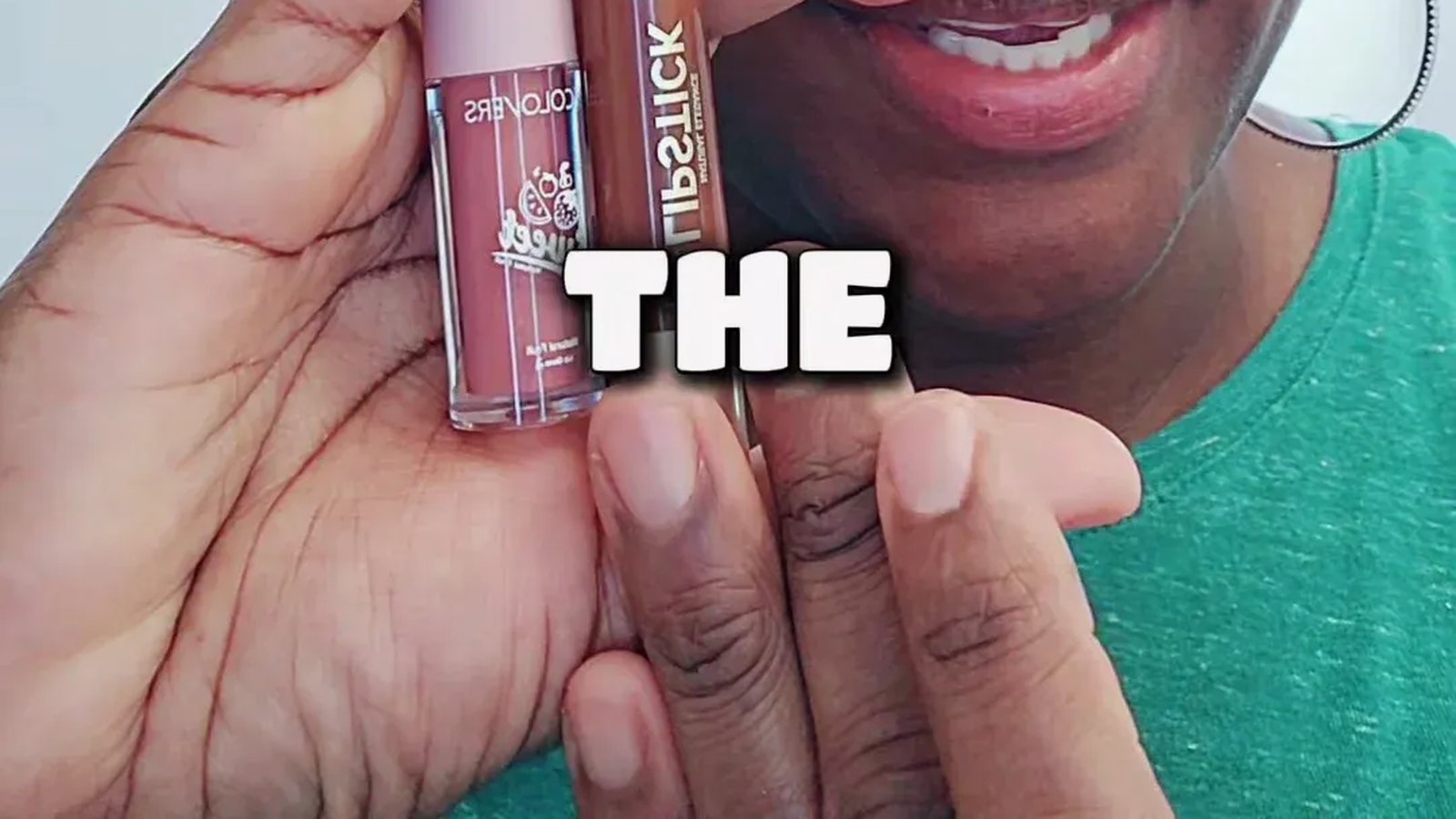
Once you know your undertone, a small spread of nudes makes matching effortless — you simply reach for the warmer or cooler end. The Peco Lovers Signature Nude Matte Lip Crayon Set is one independent UK option: six soft-matte, waterproof crayons in a gradient from soft peachy-nude to a deep “90s brown”, curated to suit both warm and cool undertones, with Vitamin E for comfort. To be clear on a common mix-up, Peco Lovers is an independent, affordable UK brand — it is not Charlotte Tilbury and is not affiliated with or endorsed by any prestige label; those simply come up as reference points shoppers compare against. At £19.99 for six that is about £3.33 a crayon, with free UK delivery from a UK warehouse and 30-day returns under the Consumer Rights Act 2015; the store lists a 4.8 out of 5 average. If your lips are sensitive, patch test on your inner arm first.
We have not run the controlled swatch series yet, so we stay descriptive: every shade in the set was picked to sit in the nude-to-brown family rather than shout, and the honest way to find yours is a daylight swatch — window light, not bathroom bulbs — checked again an hour later once it has settled.
FAQ
What is the quickest way to find my undertone for lipstick?
Look at your inner-wrist veins in natural daylight, then hold gold against your skin followed by silver. Blue or purple veins plus a better result with silver point to cool; green veins plus a better result with gold point to warm; if you genuinely cannot decide, or both metals suit you, you are almost certainly neutral. Run both together for confidence.
Can my undertone and my skin tone be different?
Yes, and they usually are. Skin tone is your depth — fair, medium or deep — and it shifts with the seasons and sun. Undertone is the fixed hue beneath it. You can have deep skin with a cool undertone, or fair skin with a warm one, which is why two people at the same depth can suit very different lipstick shades.
What lipstick suits a neutral undertone?
Neutral undertones are the most flexible, so you can wear both warm and cool shades. Reach for balanced nudes such as rose-beige and soft brown, true reds, dusty roses and most berries. If a colour ever looks slightly off, it is usually the depth rather than the temperature — nudge one shade deeper or lighter rather than switching from warm to cool.
Why do the vein and jewellery tests not work on my olive skin?
Olive skin has a green-grey cast that sits over your true undertone, so veins, metals and white paper all get muddied and often read as “neutral”. Instead, drape warm caramel fabric against cool mauve near your face in daylight and watch which one clears your complexion. Muted, earthy lip shades tend to flatter olive skin far more than icy or very bright ones.
Ready to perfect your everyday look with Peco Lovers?
Shop Now — £19.99